
My path into UX hasn’t been a straight line. But every step has helped me grow as a designer. I’ve combined skills from psychology, business, and visual design to create products that are both practical and human-centered.
My website shows key moments in my work. The projects I’ve shaped, the problems I’ve solved, and how I turn insights into clear, accessible experiences.
These are some of the tools I use to design
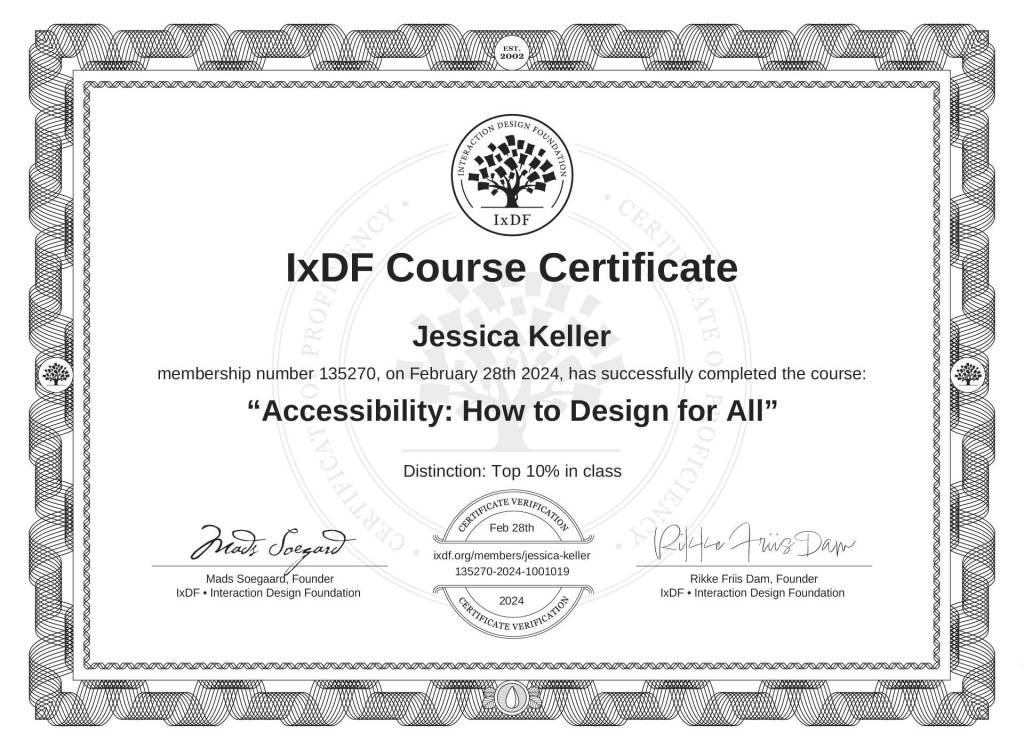
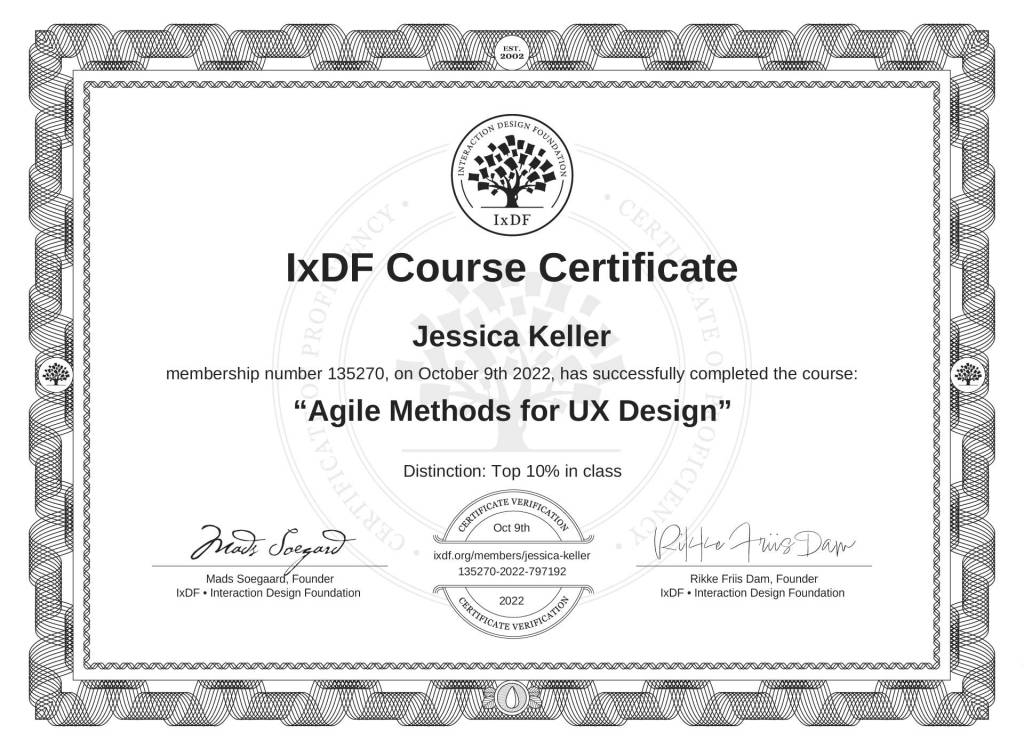
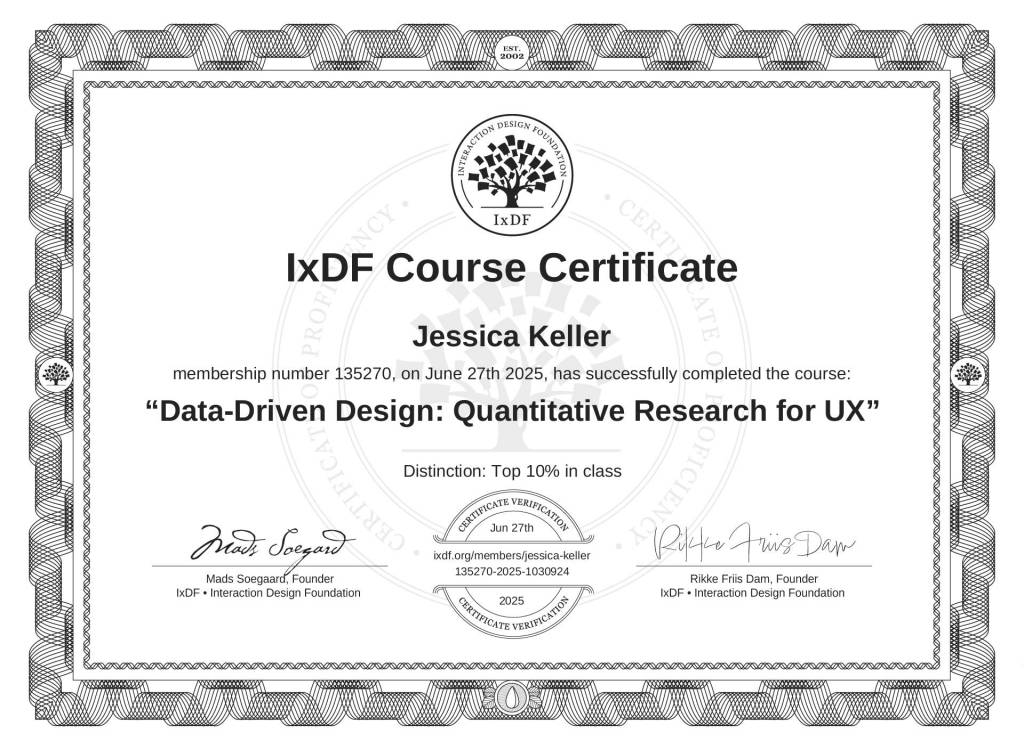
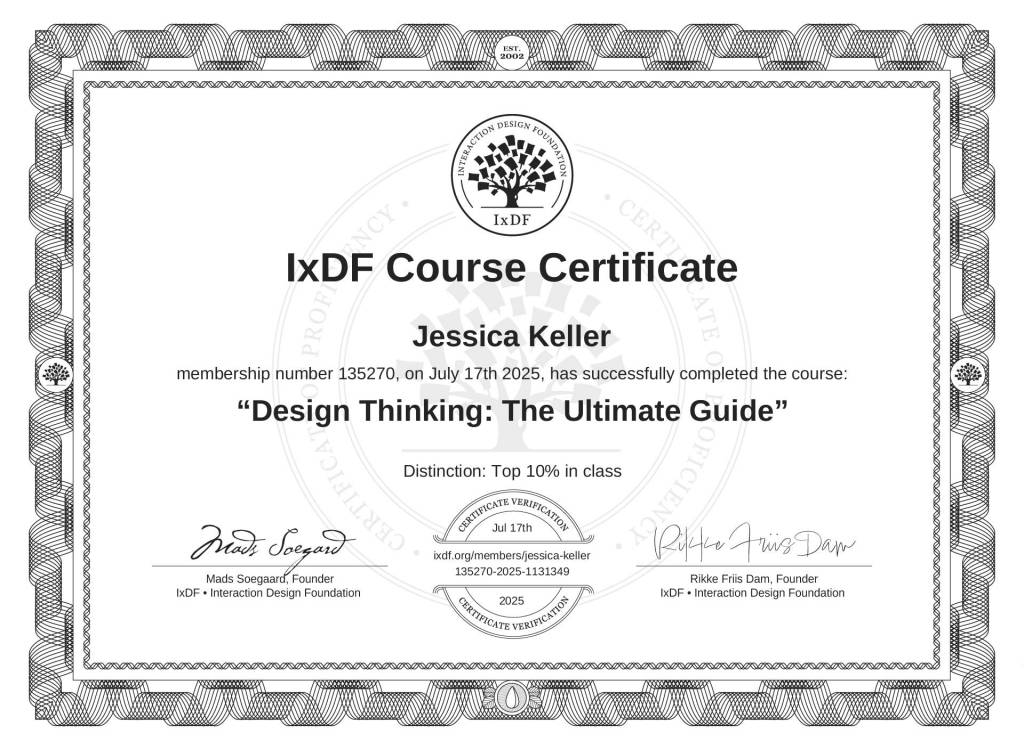
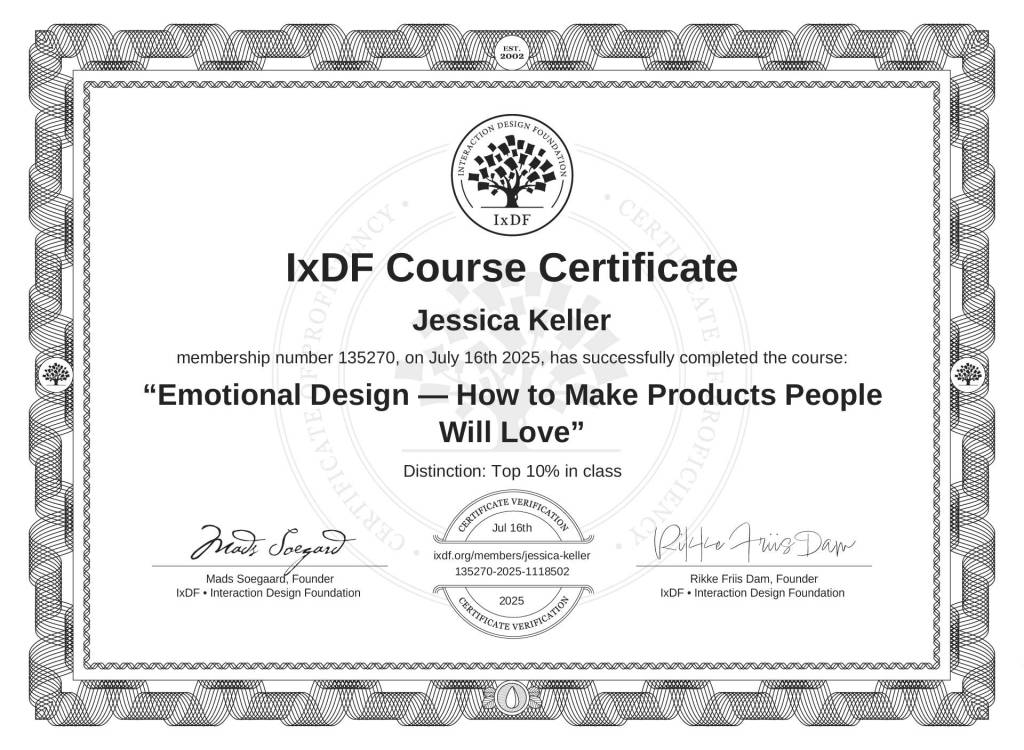
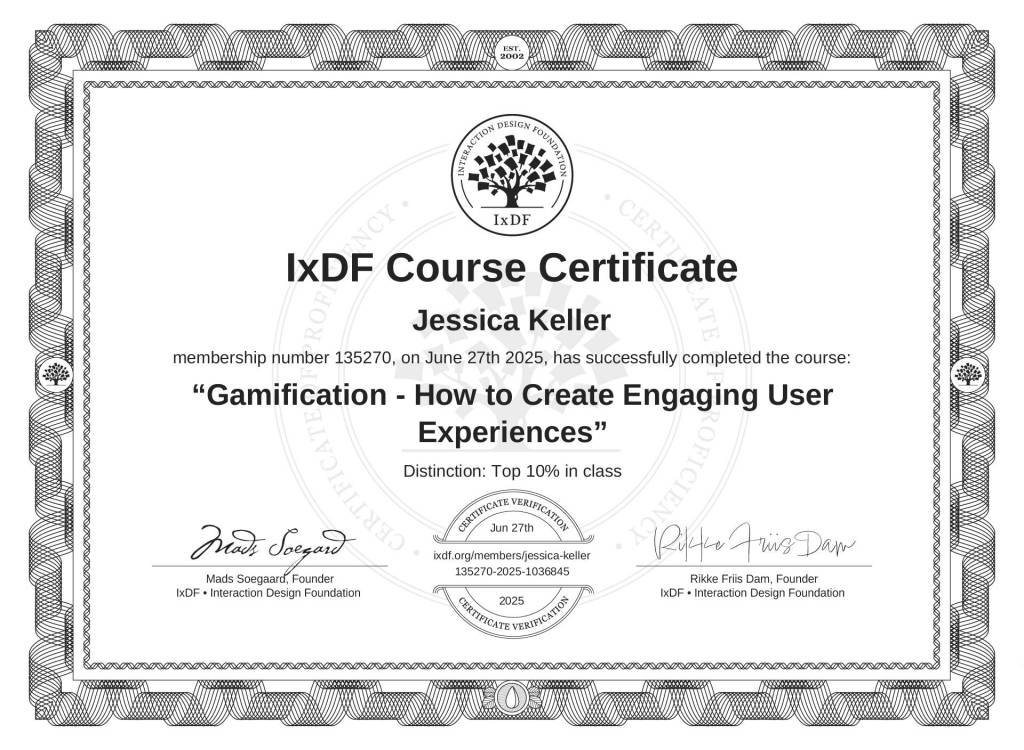
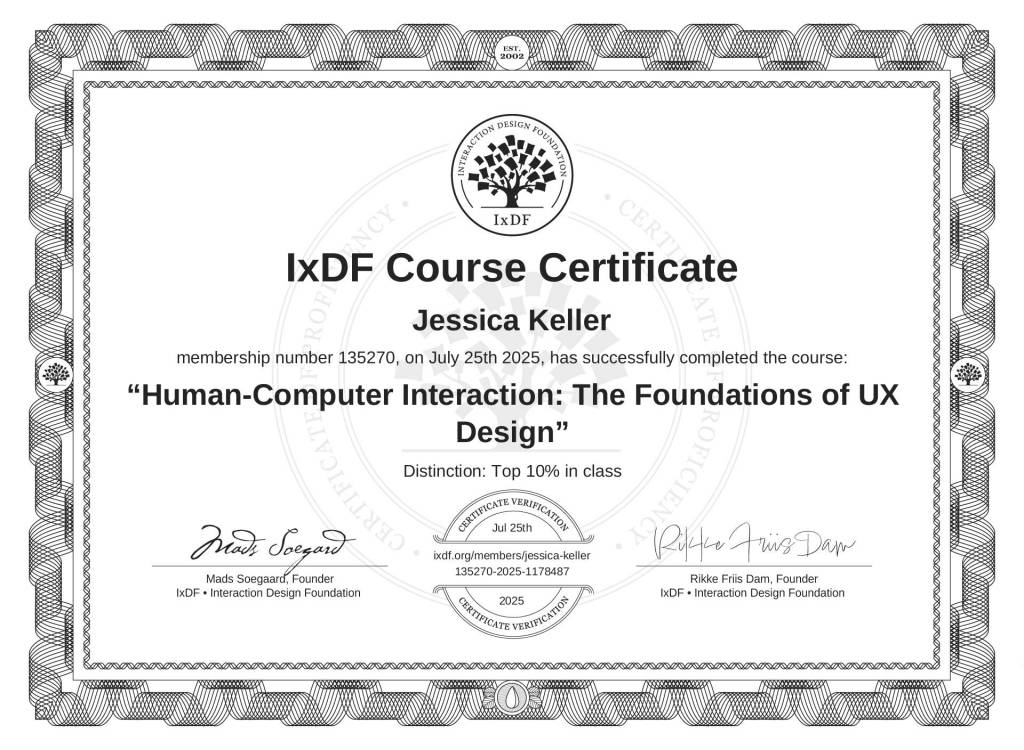
I love learning about UX! These are some of my certificates.
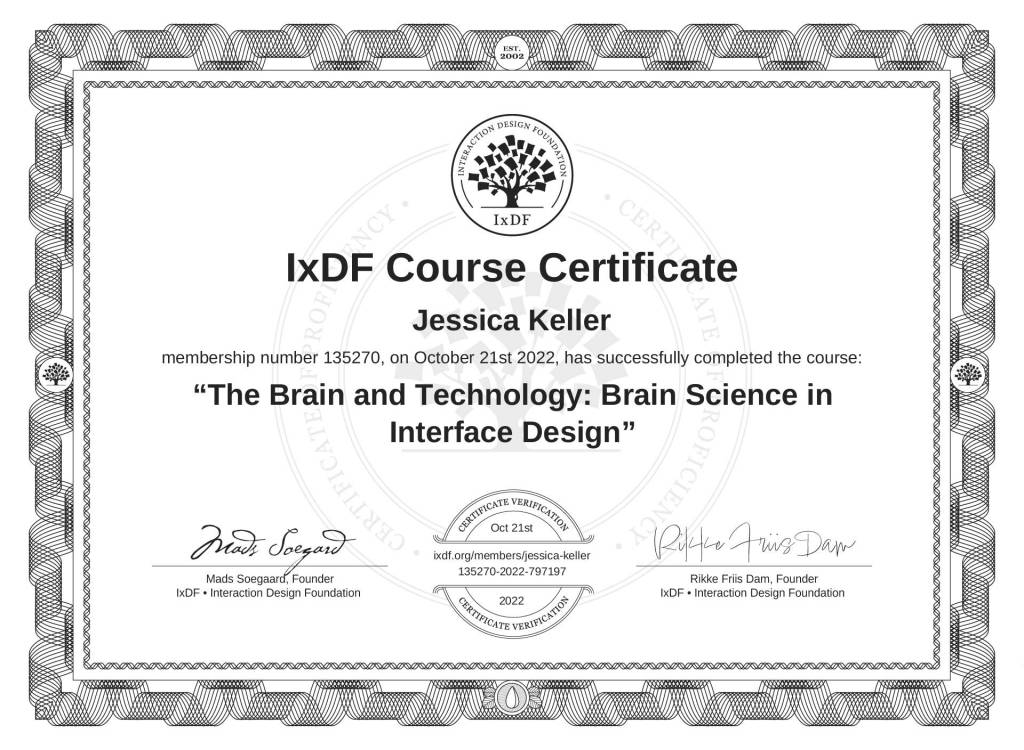
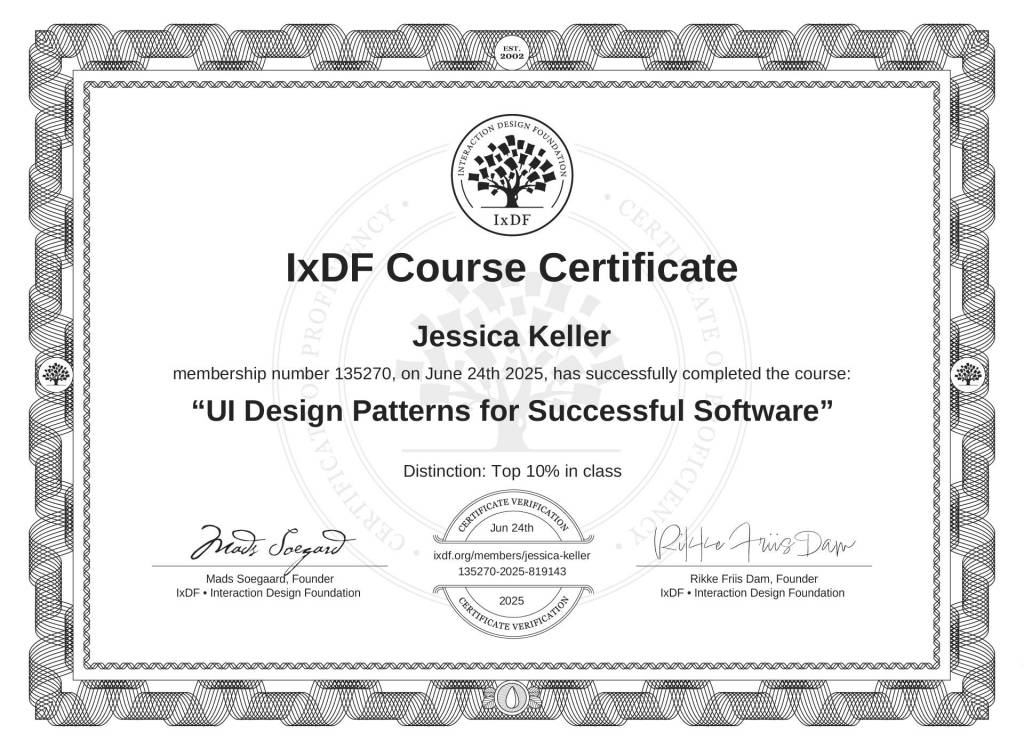
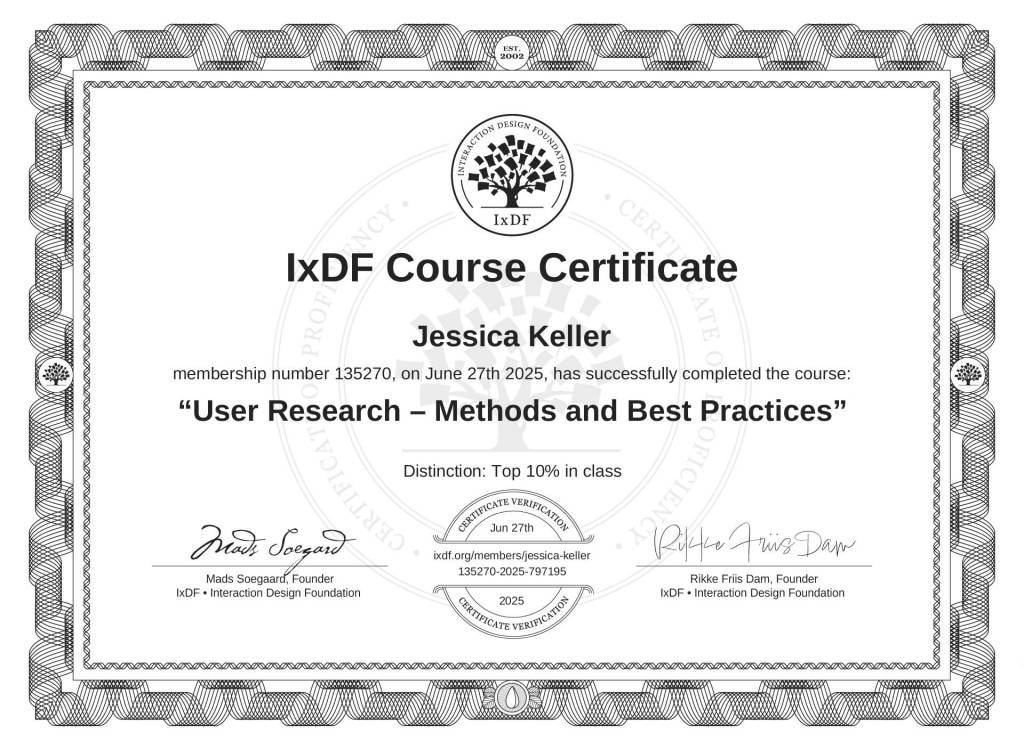
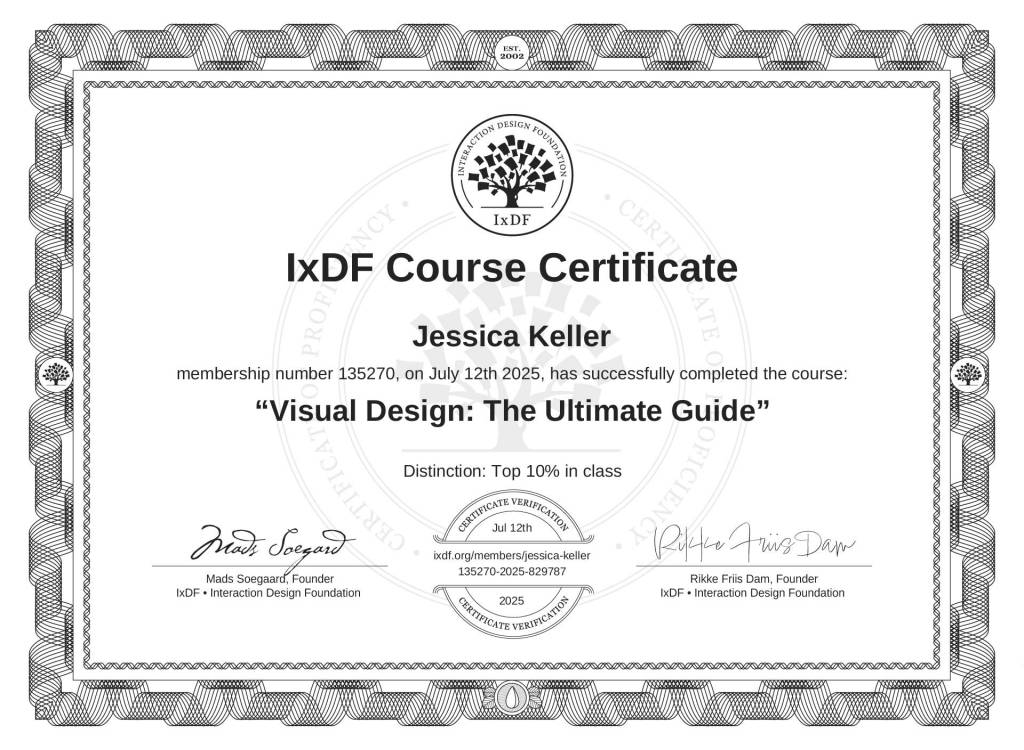
UX Design at Arvato: Feb 2025 – current
At Arvato, I focus on designing internal tools that support complex logistics operations. My work emphasizes usability, clarity, and efficiency in high-volume environments. I contribute user research expertise, information architecture, and interface design to help streamline fulfillment workflows. With my background in psychology, I uncover user needs and translate them into practical, accessible solutions that support both user goals and business objectives.
I love learning about UX! These are some of my certificates.
UX Design at Burda Forward: Jun 2023 – Jan 2025
At Burda Forward, a leading publishing company, I contributed to an exciting new, never before seen project. In my role as a UI/UX Designer, I focus primarily on usability and visual design to ensure the app is both intuitive and visually appealing.
Key Responsibilities:
- Usability Testing: Conducting usability tests to identify user pain points and gather feedback, which informs iterative improvements to the app’s design.
- UI Design: Crafting visually engaging and user-friendly interfaces that enhance the overall user experience and align with Burda Forward’s brand standards.
- Wireframing and Prototyping: Developing wireframes and interactive prototypes to illustrate the app’s layout and functionality, ensuring clarity and usability at every stage.
- User Feedback Integration: Analyzing user feedback and testing results to make data-driven design decisions that improve the app’s usability and user satisfaction.
- Collaboration: Collaborating with UX researchers, product managers, and developers to ensure the design aligns with user needs and project goals.
My work at Burda Forward is focused on creating an engaging and user-friendly product that will help a large number of users.
KPIs achieved
- Implemented a tracking concept & dashboard That allowed the team to continuously monitor user behavior and feature adoption—laying the foundation for data-driven iteration post-launch.
- +25% improvement in task completion rate Achieved through iterative usability testing and design refinements—users completed key flows (e.g., getting to a personalized recommendation) more efficiently.
- -30% reduction in drop-off rate during decision flow By redesigning the step-by-step interaction and visual hierarchy, I reduced user confusion and cognitive load in the advisory funnel.
- +40% increase in user trust & satisfaction scores Via emotional design strategies, including mascot tone-of-voice and visual feedback—measured through post-task surveys and Hotjar feedback polls.
- +35% interaction rate with recommendation content Optimized UI layout and clarity of content presentation led to significantly higher engagement with the actual product suggestions.
- Accessibility compliance score improved by 45% Through proactive WCAG 2.1 alignment, including accessible touch targets and improved color contrast—measured using internal audit tools and Figma plugins.
UX Design at Aifora: Apr 2022 -Jun 2023
At aifora, a B2B SaaS company that leverages artificial intelligence to optimize purchasing and selling decisions, I served as the lead UI/UX Designer for two product teams focused on AI-driven software solutions. My role encompassed the entire design process, from ideation to developer handover, ensuring cohesive and user-centric outcomes.
Key responsibilities:
- End-to-End Design Process: Led the full lifecycle of design activities, including user research, wireframing, prototyping, and usability testing, ensuring a seamless transition from concept to implementation.
- Core Module Redesign: Spearheaded the complete redesign of two core product modules, resulting in a 20% increase in customer satisfaction and a 15% reduction in user error rates.
- User Research Implementation: Introduced robust user research practices to the company, including regular usability tests, user interviews, and shadowing sessions. These initiatives provided valuable insights that informed design decisions and enhanced overall product quality.
- Information Architecture: Reorganized and optimized the information architecture of the software, improving navigation and making critical features more accessible to users.
- Interactive Prototypes: Developed detailed wireframes, high-fidelity mockups, and interactive prototypes to visualize and test design concepts. This iterative process ensured that user feedback was continuously incorporated into the design.
- Design System Development: Established and maintained a design system that ensured consistency and scalability across all product interfaces.
- Cross-Functional Collaboration: Worked closely with product managers, developers, and other stakeholders to align design objectives with business goals and technical constraints.
KPIs achieved
- Customer Satisfaction: Achieved a 20% increase in customer satisfaction scores through intuitive design improvements.
- User Error Rates: Reduced user error rates by 15% by simplifying complex workflows and enhancing usability.
- User Engagement: Increased user engagement metrics by 25% through improved navigation and more engaging interface designs.
- Task Completion Rates: Boosted task completion rates by 18%, making it easier for users to accomplish their goals within the software.
My work at aifora not only enhanced the usability and functionality of the AI-driven software but also contributed to the company’s growth and success by delivering designs that met user needs and exceeded business objectives.
If you have any questions about my work at aifora, feel free to contact me via LinkedIn.
Transitioning to UX – Where Psychology Meets Design
The experiences I gained in previous roles taught me how to communicate with clarity, empathize deeply, and solve problems systematically. Over time, I realized I wanted to channel these strengths into something more creative, impactful, and future-facing.
UX Design became the natural next step—a field that perfectly blends my passion for technology, human behavior, and intuitive design. I was drawn to the idea of crafting digital experiences that not only solve real problems but also feel meaningful and empowering for users. It’s the perfect intersection of logic and empathy, creativity and strategy—and I knew I had found my place.
Translation, teaching, counseling: 2018 – 2022
While earning my B.Sc. in Psychology, I worked as a trilingual translator and language instructor for students of all ages. These roles sharpened my ability to communicate clearly, adapt content for different audiences, and remain culturally aware — all essential skills in UX.
Alongside this, I trained and volunteered as a counselor and a certified stress management coach, which taught me to listen deeply, understand behavior, and approach design challenges with empathy and care.
Executive Assistant: 2010 – 2017
Diverse International Experience and Transferable Skills: Before transitioning into UX, I worked internationally as an executive assistant in Germany, Japan, and New Zealand. This role gave me a front-row seat to strategic decision-making across diverse industries, from software to renewable energy.
Working closely with stakeholders at all levels, I developed skills in communication, business analysis, and cross-functional collaboration, all of which now inform my approach to user-centered design. I’m quick to understand business goals, ask the right questions, and design with both user and business outcomes in mind.
 Jessica Keller